Beyond the Surface: Bridging Muralism and WebAR
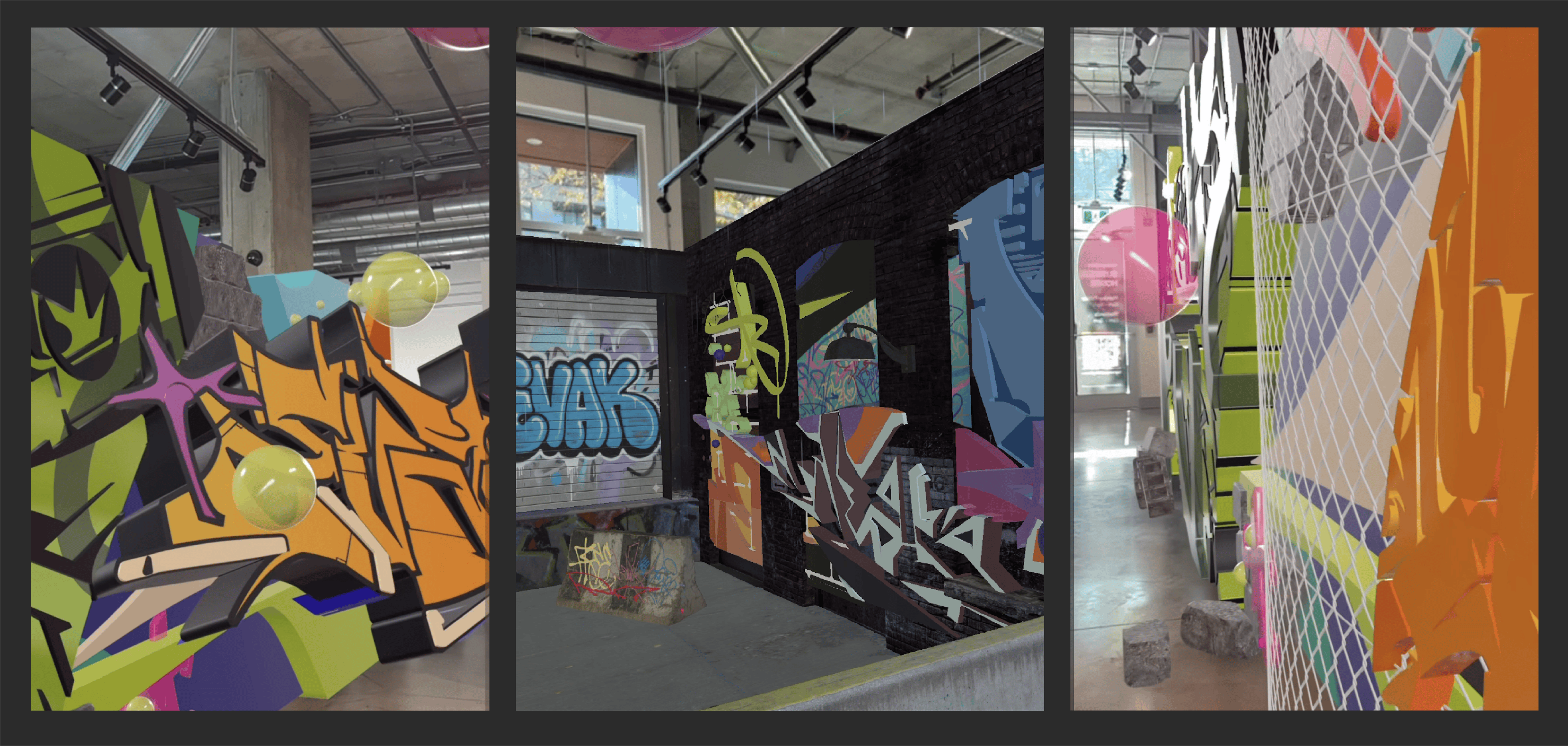
The traditional mural is a static landmark. It exists in one state, unmoving, for years. But by layering WebAR onto these physical surfaces, we can unlock a hidden dimension of storytelling—transforming a wall into a dynamic portal that speaks to the viewer's most personal device.
The Conceptual Bridge: From Sketch to Model
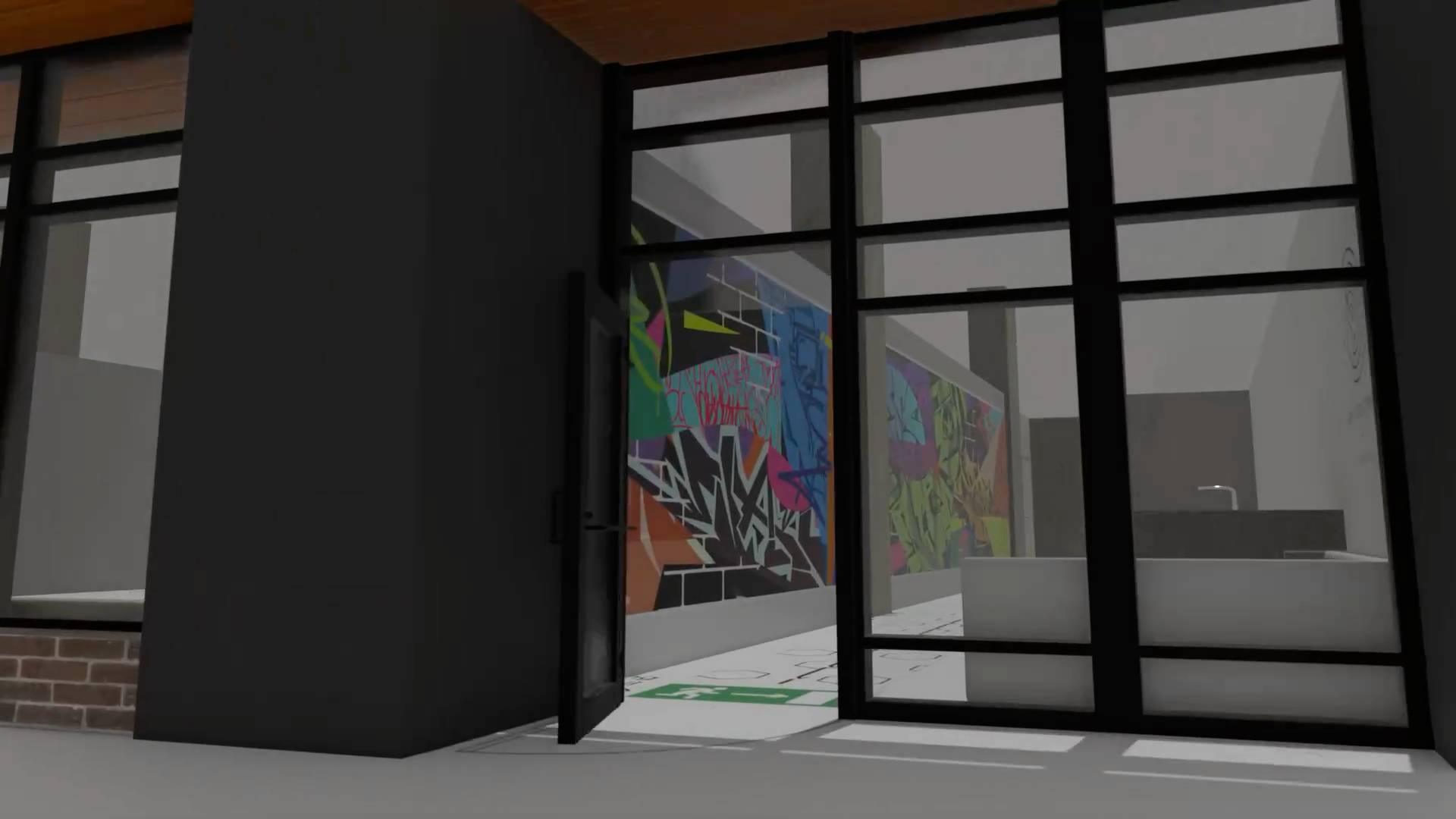
Every project begins with the 'Conceptual Bridge.' I translate initial hand-drawn sketches into a precision 3D environment using Blender. This digital mockup serves as our north star, allowing us to simulate lighting, sightlines, and AR placement long before the first drop of paint hits the wall.
The Physical Foundation
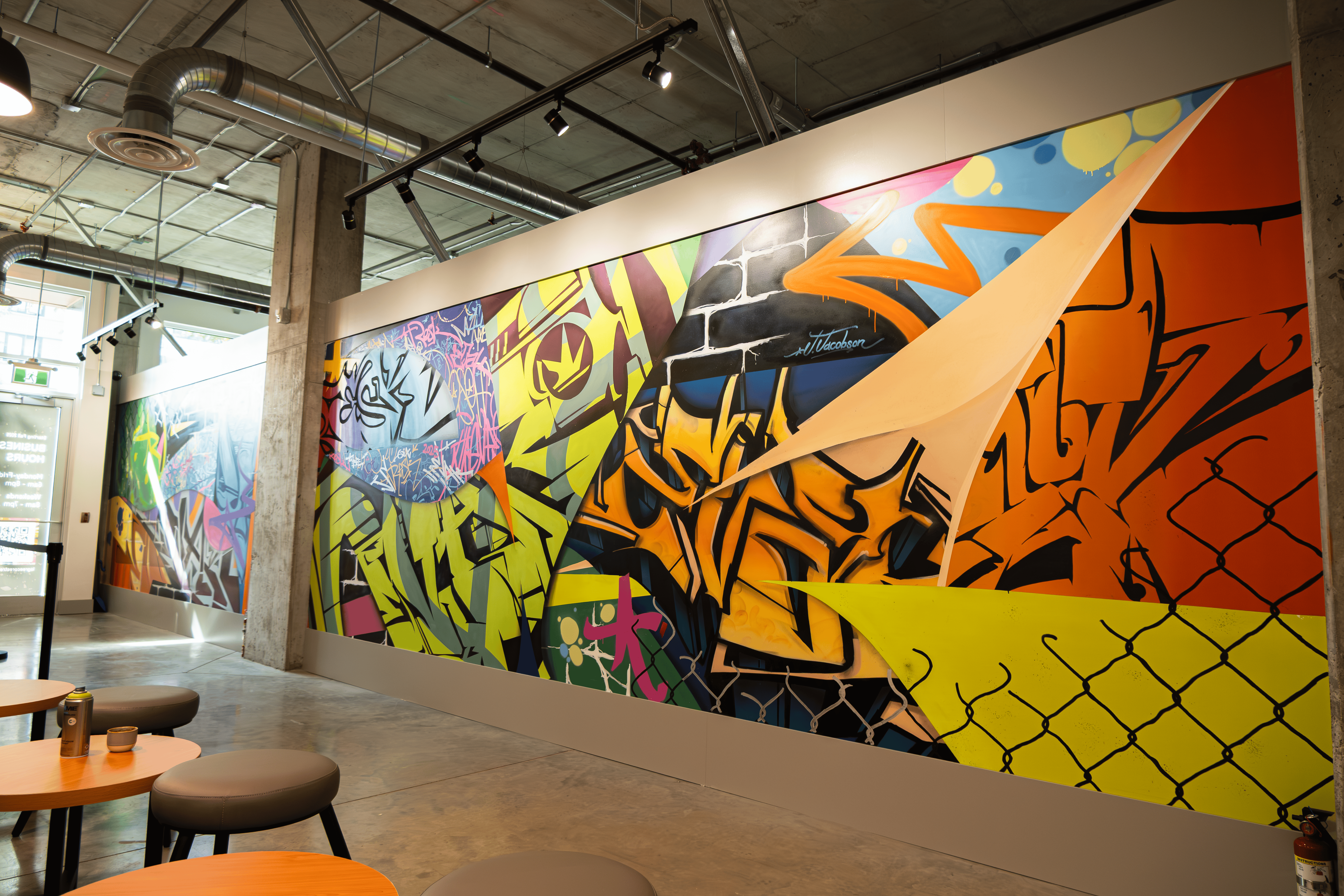
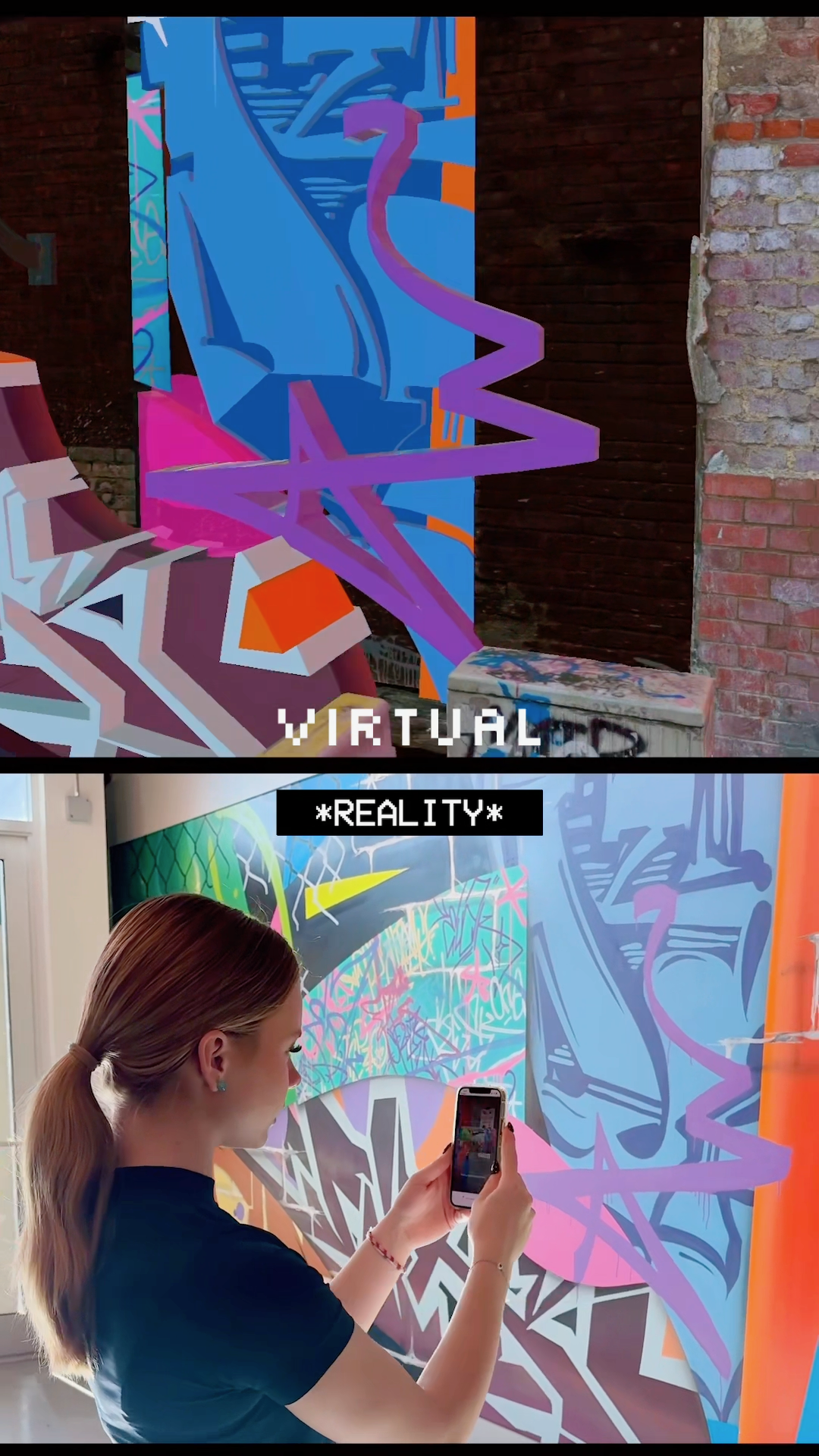
While the tech is exciting, the heart of the project remains the craftsmanship of the physical mural. The painted layer provides the visual anchor and the 'image target' that the AR world latches onto. It's a dance between traditional fine art and modern digital architecture.
The Activation: Entering the Hidden World
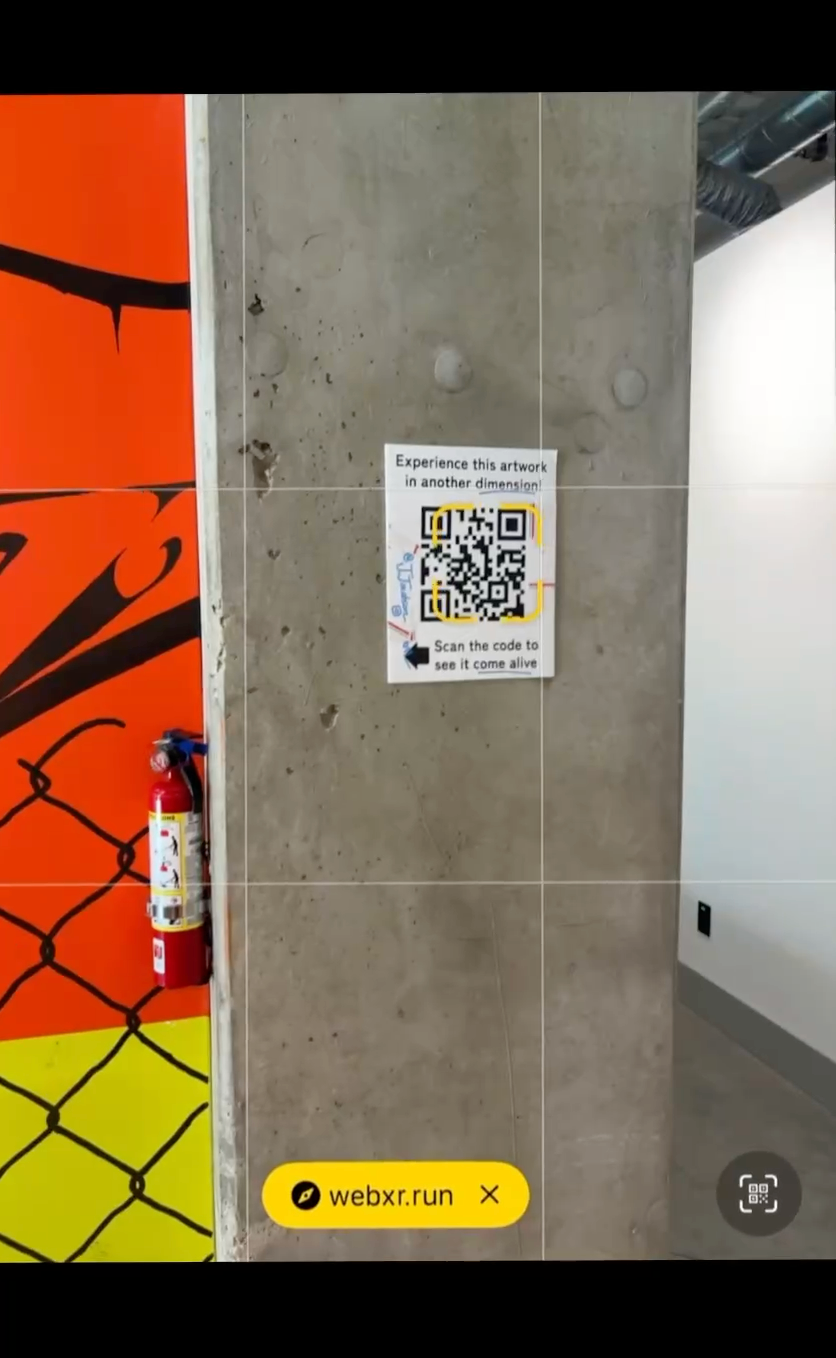
To keep the experience frictionless, we use WebAR. No app downloads are required. The user simply scans a strategically placed QR code, which instantly launches the browser-based experience.
The Experience in Motion
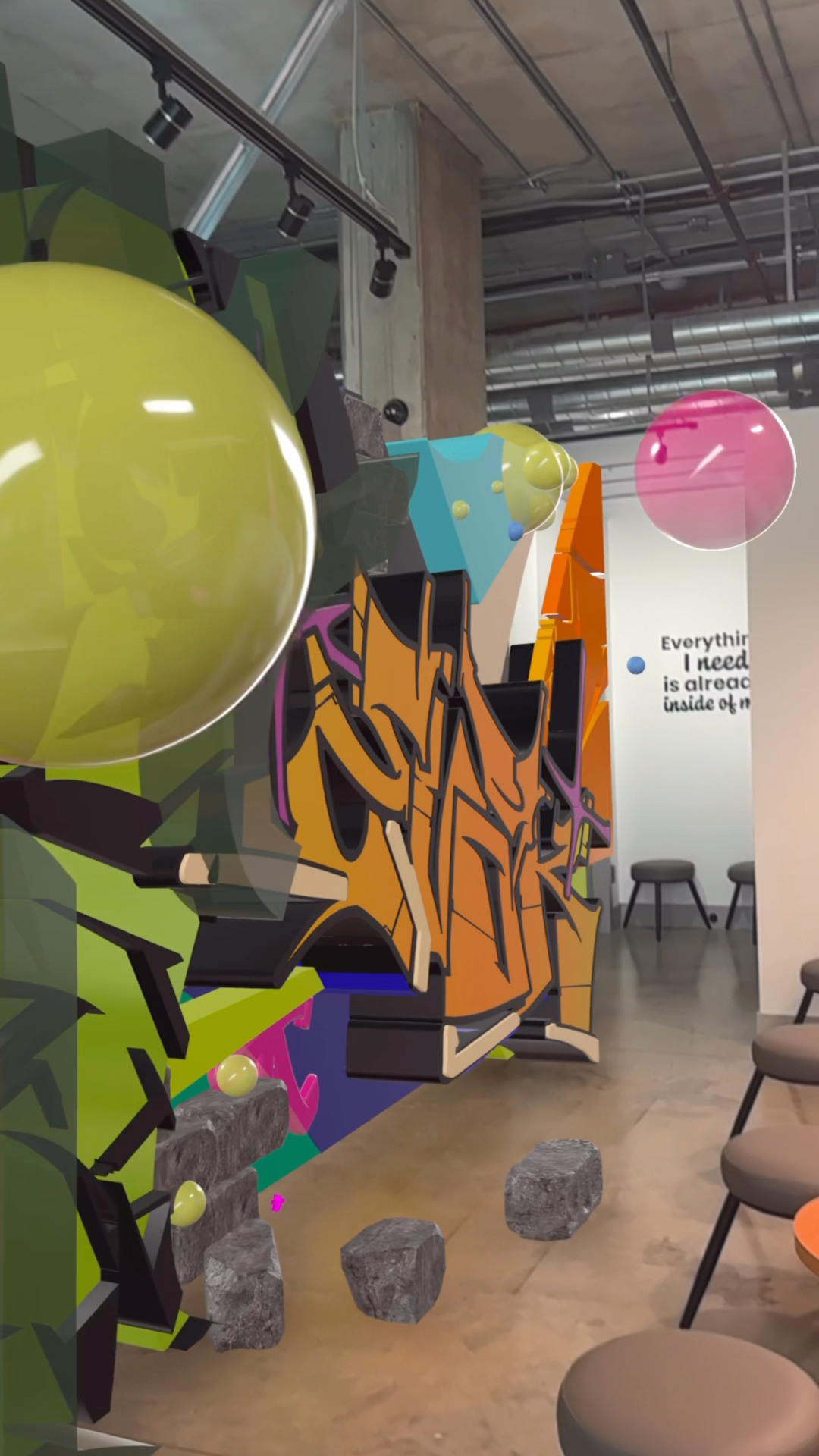
Once activated, the mural comes alive. 3D elements float in space, text provides context, and the artwork evolves. It's a shared experience where the digital and physical co-exist in the same visual field.
Practical Innovation: The AR Sandwich Board
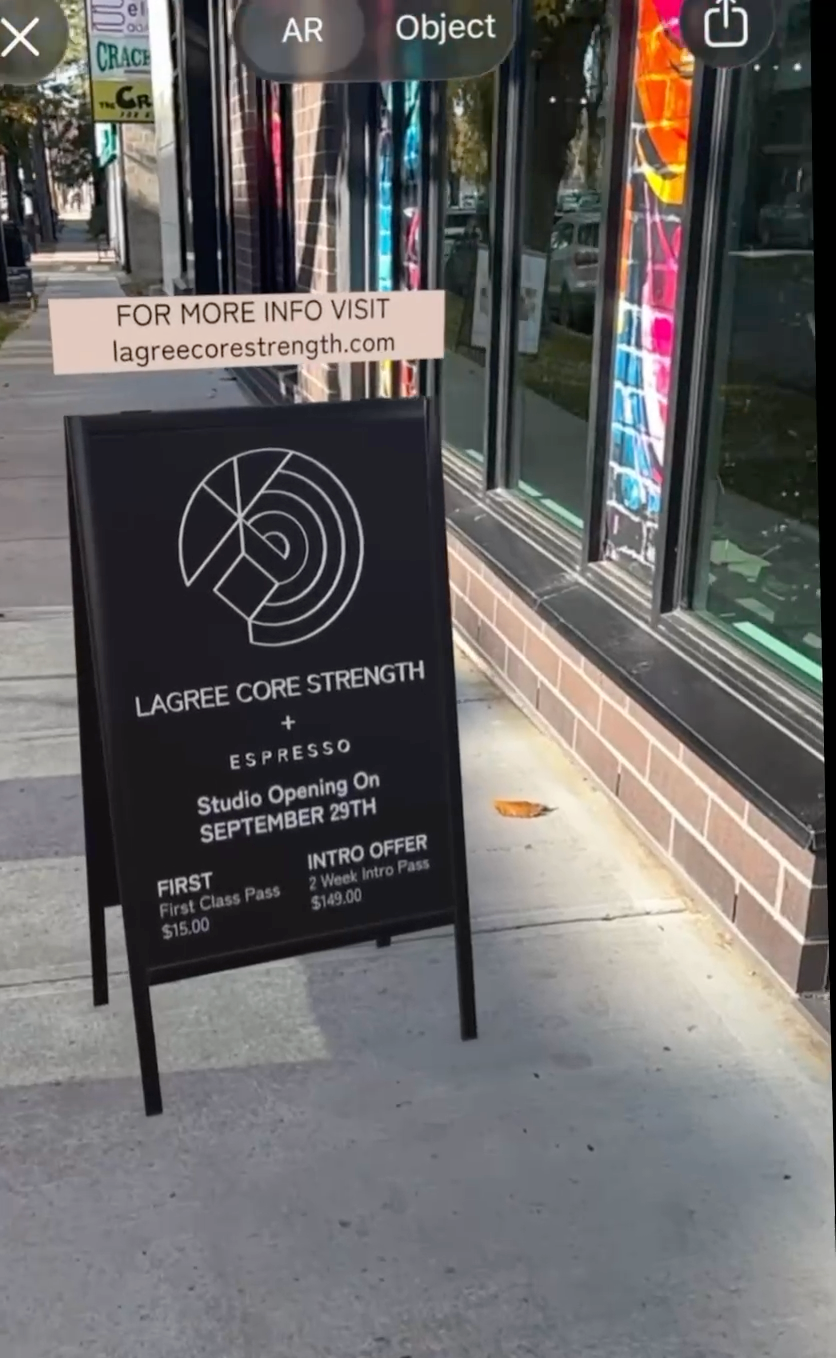
Beyond pure art, this tech solves practical problems. Traditional wayfinding and signage are often static and difficult to update. My 'AR Sandwich Board' concept provides a digital-first signage solution that is unique, updatable, and highly engaging—bridging the gap between navigation and digital utility.
The future of public art and signage isn't just physical. It's beyond the surface.